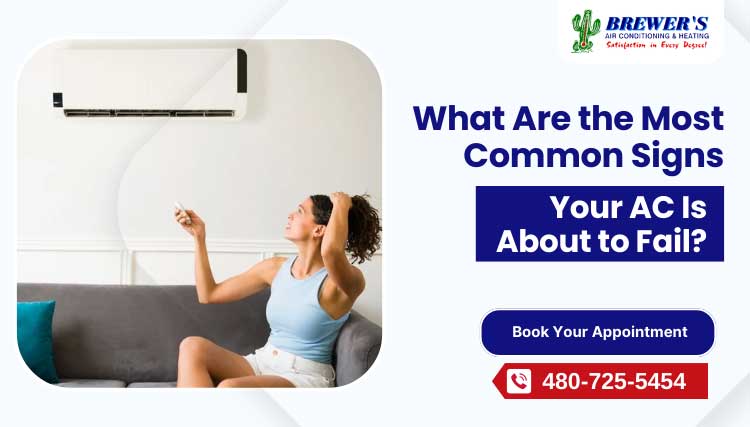
 Air conditioning systems, particularly central AC units, are engineered for long-term service under varying environmental conditions. However, like all mechanical systems, they are subject to gradual wear, operational stress, and environmental impacts. Issues such as weak airflow, AC not blowing cold air, or even AC leaking water are often the earliest signs that your unit is struggling. Additionally, there are the subsequent inconvenience and cost associated with emergency AC repair services during periods of high demand.
So here are some common alert signs that your HVAC system is looking for some quick repairs.
Reduced Airflow Performance
Weak airflow from vents is one of the most direct signs of inefficiency in an air conditioning system. This condition may stem from obstructions within ductwork, malfunctioning fans, or deteriorating motor components. Reduced airflow not only compromises thermal comfort but also increases energy demand as the system operates longer to achieve the set temperature.
Slow Cooling Output
A system that is operational but no longer delivers adequately chilled air is a classic symptom of decline. AC not blowing cold air can be the result of refrigerant depletion, compressor malfunction, or obstructed filters. Such central AC problems typically worsen over time and should be addressed before total cooling loss occurs.
Irregular Operating Cycles
Inconsistent operation, such as AC short cycling, is characterized by frequent starting and stopping before the desired indoor temperature is reached. This pattern often indicates electrical issues, thermostat malfunctions, or oversized equipment relative to the building’s cooling load. Short cycling places significant stress on system components and shortens their operational lifespan.
Continuous System Operation
Conversely, AC running constantly without achieving the thermostat setting is a performance inefficiency that may be attributed to clogged condenser coils, poor insulation, or refrigerant issues. Continuous operation elevates wear rates on moving parts and increases electricity consumption, both of which accelerate system deterioration.
Moisture and Leakage Issues
AC leaking water around the indoor unit is a clear maintenance concern. This may arise from blocked condensate drains, frozen evaporator coils, or improper installation. Persistent water leakage can lead to structural damage and mold proliferation, creating both mechanical and health hazards.
Odour Anomalies
Strange smells from the AC vents indicate contamination or malfunction. A musty odour often signals microbial growth within ductwork, while burning smells can be symptomatic of electrical faults. Chemicals may point to refrigerant leaks, which require immediate attention due to their potential environmental and safety implications.
Subtle but Significant Indicators
Some early signs of AC failure are less obvious yet equally important. Gradual increases in utility costs, uneven temperature distribution, AC leaking water, or the need for frequent thermostat adjustments suggest declining system efficiency. Recognizing these subtle changes can allow for timely intervention before more serious malfunctions develop.
Preventive Maintenance and Troubleshooting
Adopting structured air conditioner maintenance tips, such as replacing filters regularly and ensuring condenser units remain clear of debris, can help maintain optimal air conditioning performance. For instance, if your AC is not blowing cold air, checking air filters, thermostat settings, and refrigerant levels should be among the first steps. Likewise, if you spot AC leaking water, inspecting condensate drains and evaporator coils can help prevent bigger issues. Homeowners may also benefit from basic HVAC troubleshooting tips, including verifying thermostat calibration, confirming adequate power supply, and checking for blocked vents.
The Importance of Timely Action
Ignoring progressive signs of deterioration may result in sudden system shutdowns during peak summer conditions. The inconvenience, coupled with elevated repair costs, underscores the importance of early detection and prompt corrective action. Recognizing these patterns allows homeowners to make informed decisions regarding repair or replacement, minimizing discomfort and financial strain.
Conclusion
Air conditioners play an essential role in maintaining indoor comfort during high-temperature periods. Understanding and responding to operational warning signs is both a practical and preventive measure. So, whether it’s weak airflow, unusual noises, or your AC not blowing cold air, Brewer’s Air Conditioning & Heating can quickly diagnose and fix the issue. Brewer’s Air Conditioning & Heating can provide the professional evaluation and service required to ensure consistent cooling performance. Connect with Brewersac for valuable insights and impactful discussions.
Author Bio - Mark Ybarra
Mark Ybarra is the owner and leader of Brewer’s Air Conditioning & Heating, a trusted HVAC company serving Tempe, Phoenix, Scottsdale, Mesa, and surrounding Arizona communities since 1982. After working in multiple roles within the company, Mark officially took ownership in 2018 and continues to uphold Brewer’s long-standing commitment to integrity, exceptional service, and customer satisfaction. His deep industry expertise and dedication to treating every customer with respect ensure reliable residential and commercial air conditioning, heating, and HVAC solutions delivered with the utmost care and attention.